
Stumbling Block

Look. Sometimes, you decide to end the line with a ridiculous word because it fits the sense. And then you’re stuck for a ridiculous rhyme, so you look in the rhyming dictionary and find a word you’ve never seen, but you like it. So you look it up in the OED and--miracle of miracles--it fits the sense perfectly. So even though you usually try not to drop fifty-cent words in these things, you use it. It means “made of gold and ivory.”
I stumbled on the journey, Lord: You caught me
across the shins.  You always do.  I try
to carry out the precepts you have taught me—
I always fail.  Here in the dust I lie
beside my Lord, my God, my stumbling block,
where he will feed me honey from the rock.

And when he lifts me up as he has promised
it will be but to set me on himself,
for all the myriad mansions of our solace
in his pierced side have their foundations delved.
Our home is built on you, O cornerstone,
and someday I will rest on you alone.

And we shall be like you, be adamantine.
Though we are dust and unto dust return
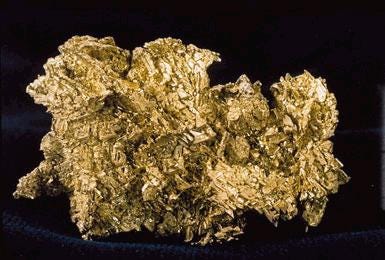
you raise us up again chryselephantine
with gold that in the furnace did not burn.
‘Til then, O Christ, be dust with my dust here;
though I have fallen, Lord, be ever near.  Amen.
I feel like I've commented on the genius of your line breaks before, but "I stumbled on the journey, Lord: you caught me" is phenomenal. Makes the reader stumble into the realization that God caught you "across the shins." Well done.
Kate it is a fine word, and broken into its two phonemes at least points the reader to crystalline grandeur.